Advertisement


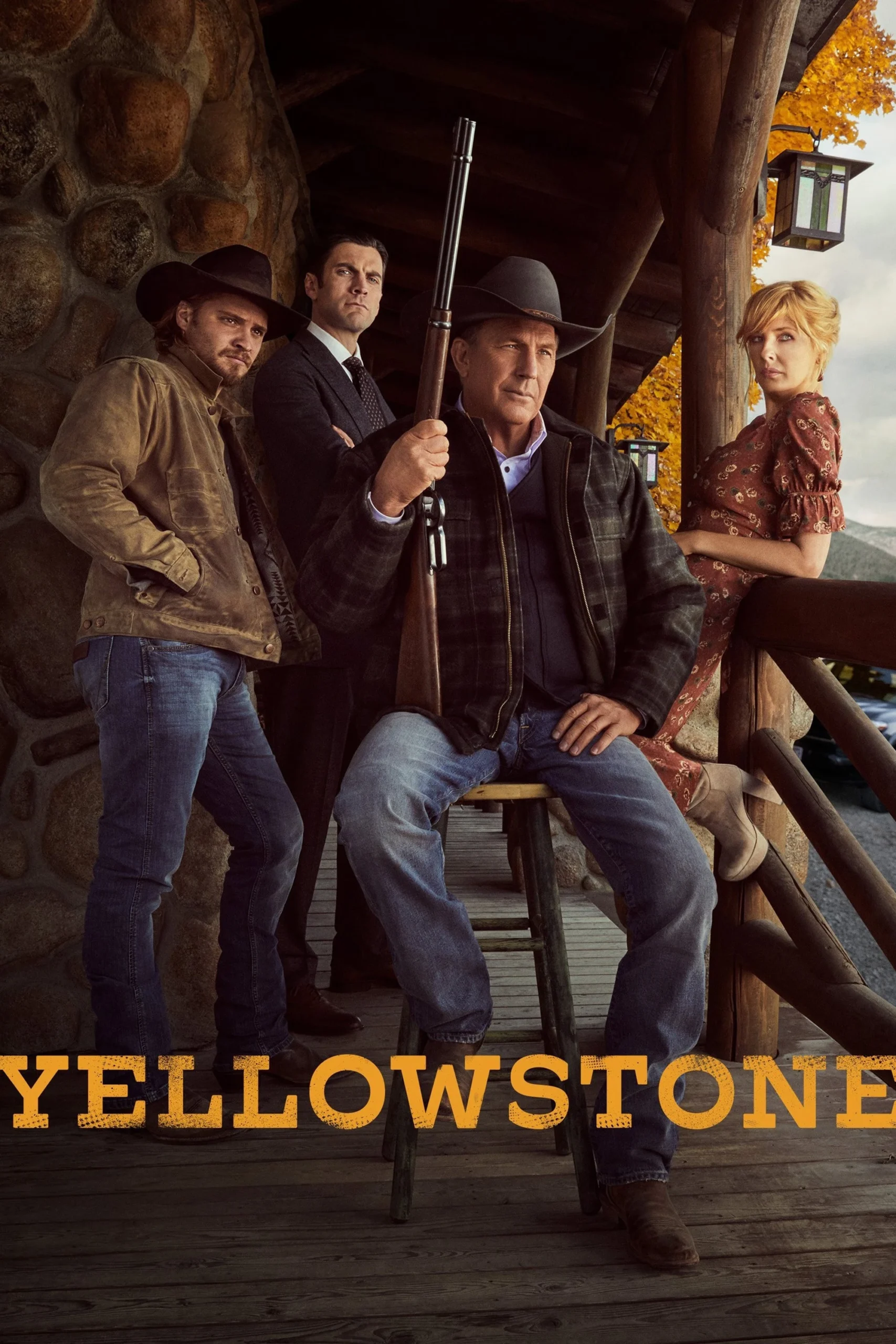
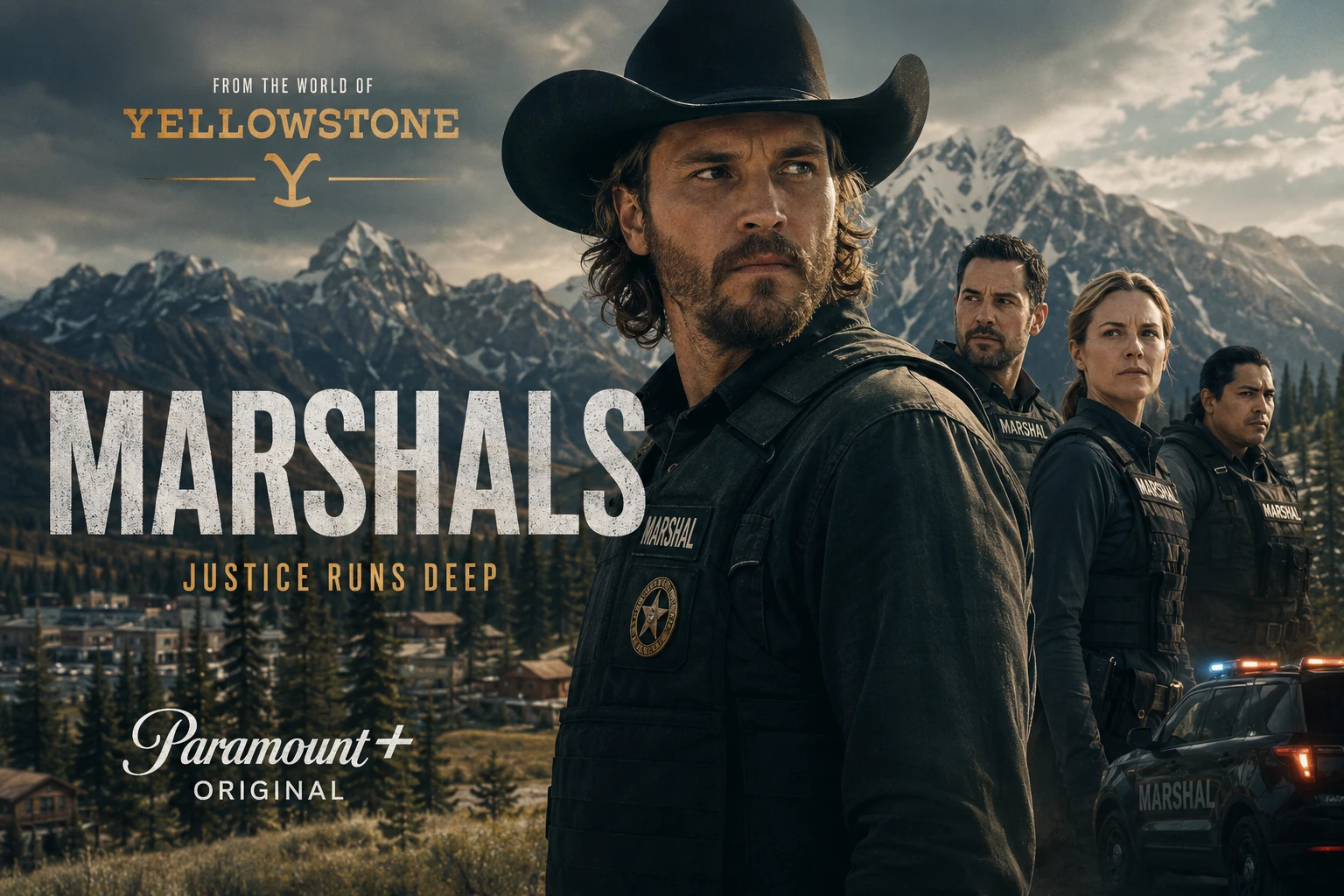
There is something immediately compelling about Yellowstone. Even before the story fully unfolds, the series has already made its argument through its imagery. The vast Montana landscape stretches endlessly beneath enormous skies, horses move across open fields, cowboys ride through rugged terrain, and a family fights relentlessly to preserve a way of life that appears increasingly threatened by the modern world. It is a world that looks peaceful from a distance, but the closer you get to the Dutton family, the more you realise that almost everything happening beneath that beautiful landscape is driven by conflict.
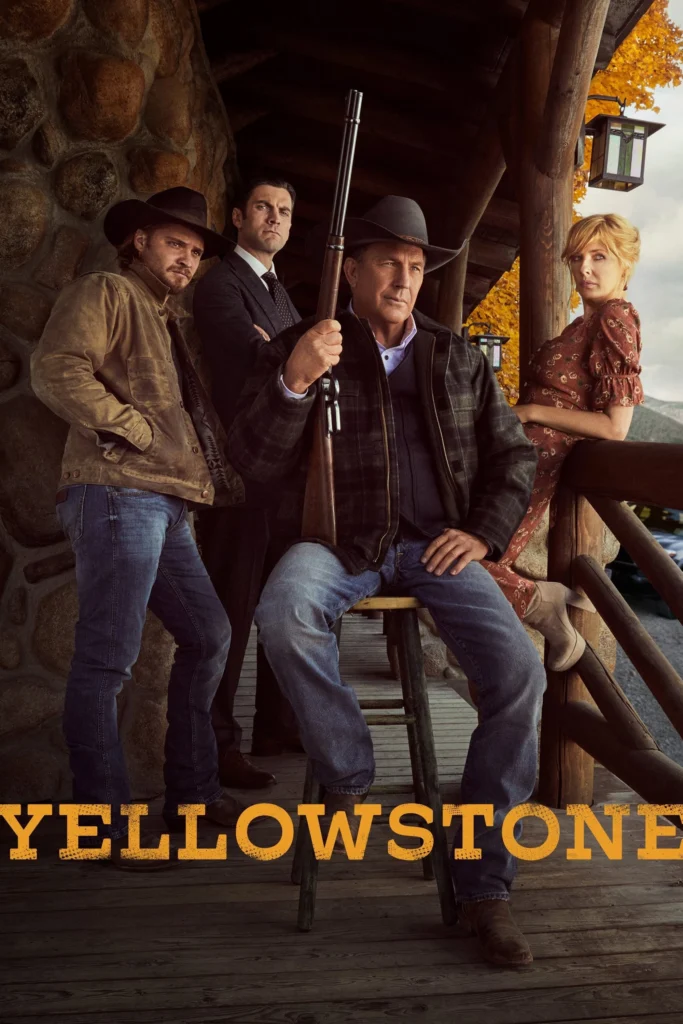
Created by Taylor Sheridan and John Linson, Yellowstone premiered in 2018 with Kevin Costner leading an ensemble cast as John Dutton, the sixth-generation patriarch of the Dutton family and owner of the Yellowstone Dutton Ranch. The ranch, described in the series as the largest contiguous ranch in the United States, is at the centre of a conflict involving developers, politicians, the neighbouring Broken Rock Indian Reservation and the constant pressures of modernisation.
However, reducing Yellowstone to a story about a wealthy ranching family fighting to keep its land would be a disservice to what the series attempts to achieve. At its heart, Yellowstone is a story about legacy and the complicated burden of inheritance. It explores what people receive from their parents, what they choose to preserve, what they are willing to sacrifice and, ultimately, what they are prepared to destroy in the name of protecting the things they love.
The series presents family in a particularly complicated way. The Duttons clearly love one another, but their love is often mixed with resentment, control, jealousy and expectations. In their world, loyalty can be dangerous, protection can become another form of control, and the desire to preserve a family legacy can create the very divisions that threaten to destroy the family.
This combination of family drama, political intrigue, crime, romance and violence is what gives Yellowstone its distinctive identity. It is a modern Western, but it is also a story about a changing America and the struggle between those who want to preserve the past and those who believe the future belongs to them.
One of the first things that stands out about Yellowstone is its location. Montana is not simply a backdrop against which the story unfolds; it is an essential part of the show’s identity and, in many ways, one of its most important characters.
The series uses the American West in a way that is both romantic and deliberately uncomfortable. The landscape is so beautiful that it becomes easy to understand why the Duttons are willing to fight so fiercely to protect it. At the same time, the conflicts surrounding that land constantly remind us that beauty and violence can exist in the same place.
The mountains, rivers, forests and open plains give the series a sense of scale that many television dramas simply cannot replicate. The visual contrast is particularly effective because a character can be standing in the middle of a breathtaking landscape one moment and become involved in a violent confrontation the next. The camera can move from an expansive view of the ranch to an intimate close-up of a character’s face, creating a visual relationship between the enormous world outside and the intensely personal conflicts taking place within the Dutton family.
Even critics who have been less enthusiastic about the show’s storytelling have recognised the strength of its visual presentation. Metacritic’s early critical coverage praised the series for its spectacular landscapes and camera work, while Rotten Tomatoes’ first-season consensus acknowledged the strength of its cast and the beauty of its locations, even as it criticised the show for being excessively melodramatic.
That contradiction is central to understanding Yellowstone. Even when the story becomes excessive, the world in which that story takes place remains remarkably captivating.
Technically, Yellowstone is one of the most visually accomplished modern Western dramas on television. Its cinematography understands the difference between simply showing a landscape and making the audience feel its presence.
The expansive wide shots give Montana an almost mythical quality, while the more intimate compositions bring viewers into the personal conflicts of the Dutton family. The camera often allows the land to dominate the frame, making individual characters appear small against the environment they are fighting so desperately to control.
This approach is particularly effective because the series is fundamentally concerned with the idea of ownership. The Duttons believe the land belongs to them because their family has spent generations working it and protecting it. The Native American characters challenge that understanding by pointing towards a history that existed long before the Duttons arrived. Developers see the same land as an economic opportunity, while politicians see it as a source of influence and power.
The camera, however, presents the land as something larger than all of them. There is an almost poetic irony in watching human beings fight over territory that appears completely indifferent to their ambitions. The mountains remain standing, the rivers continue to flow and the seasons change regardless of who wins the latest battle.
The visual language of Yellowstone also contributes to its identity as a modern Western. This is not the old Hollywood West where cowboys simply ride into town wearing spotless hats and settle their differences in a traditional shootout. This is a contemporary world in which cowboys use mobile phones, politicians negotiate billion-dollar deals and developers threaten traditional ranching with luxury resorts and ambitious construction projects.
The result is a world that feels both old and new. The series has the visual grammar of a Western, but the political, economic and social conflicts are unmistakably modern.
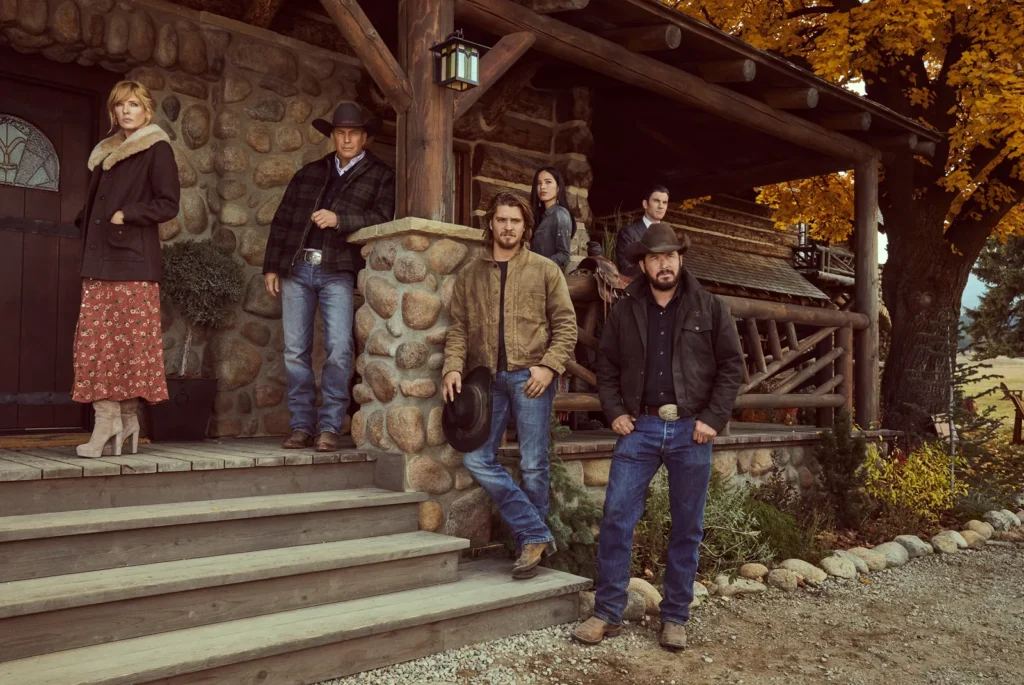
The production design is another important element in establishing the Dutton family’s identity. The ranch house is more than a home; it is the physical centre of the Dutton dynasty.
Inside the house, family dinners become political meetings, personal disagreements become arguments about succession, and romantic relationships become questions of loyalty. It is the place where the family eats, fights, mourns and makes decisions that affect not only their personal lives but the future of the ranch.
The surrounding property represents the practical side of the Dutton legacy. This is not simply inherited wealth sitting in a bank account. It is a working operation involving livestock, horses, cowboys and the physical labour required to maintain the land.
That distinction is important because Yellowstone understands that the Duttons’ power comes not only from owning the ranch but from controlling an entire way of life. The land represents a culture and a tradition that John Dutton believes are slowly disappearing.
This is why the series’ central conflict carries more emotional weight than an ordinary property dispute. The Duttons are not simply protecting real estate; they believe they are protecting their identity and preventing their family’s history from being erased.
Kevin Costner’s performance as John Dutton provides the series with its emotional foundation. John is a complicated character because his greatest virtue and greatest weakness are essentially the same thing: his determination.
He refuses to surrender the ranch, refuses to sell it and refuses to allow outsiders to dictate the future of his family. However, his refusal to compromise also creates many of the problems he spends his life trying to solve.
John loves his children, but his relationship with them is frequently complicated by expectations, disappointment and control. He wants them to continue his legacy, yet he struggles to give them the freedom to define their own lives. In many ways, John is a tragic figure because he has spent his entire life protecting the Dutton name while failing to recognise how the legacy he is fighting to preserve is also contributing to the family’s internal divisions.
Costner plays the character with remarkable restraint. Even when John is angry, there is often a sense that he is carrying something much heavier than whatever conflict is immediately unfolding in front of him. His silences often communicate as much as his dialogue, and his presence gives the series a sense of authority that would have been difficult for another actor to replicate.
That performance is crucial because Yellowstone needs the audience to understand why John is willing to go so far to protect the ranch. If he were simply a wealthy landowner trying to preserve his financial interests, the series would lose much of its moral complexity. Instead, Costner presents a man who genuinely believes he is protecting something sacred, even though his definition of what is sacred often comes at an enormous cost.
If John Dutton is the emotional centre of Yellowstone, Beth Dutton is its most explosive force. Played by Kelly Reilly, Beth is arguably the series’ most magnetic character, combining intelligence, ruthlessness, fearlessness and emotional damage in a way that makes her impossible to ignore.
Beth can be cruel, hilarious, romantic and terrifying, sometimes within the same conversation. Much of her behaviour is connected to the trauma she carries, and her aggression often feels like a form of armour that protects a deeply wounded person.
Reilly’s performance is one of the strongest elements of the series because she understands that Beth cannot simply be reduced to the familiar idea of a “strong female character”. Beth is not strong because she is invulnerable. She is strong because she has learned how to survive while carrying her vulnerabilities.
At the same time, Beth represents one of the show’s greatest weaknesses. Her character can occasionally become too theatrical, with confrontations and insults that sometimes feel more like carefully constructed television moments than natural conversations between human beings. This is closely related to the criticism that some reviewers have directed at Yellowstone as a whole, particularly the argument that its melodrama can sometimes undermine the quality of its performances and storytelling.
Yet Beth also demonstrates why the series became so popular. Even when her behaviour is difficult to accept, she remains fascinating. Kelly Reilly gives the character enough emotional depth that the audience can understand the pain behind the aggression, even when they cannot justify her actions.
Wes Bentley’s Jamie Dutton provides a quieter but equally important counterpoint to Beth. Jamie is the family member who appears to want approval more than power, and his greatest weakness seems to be his desperate need to belong.
He wants his father’s respect and wants to be recognised as an important member of the family, but his relationship with John and his rivalry with Beth constantly remind him that sharing someone’s blood does not necessarily guarantee acceptance.
The relationship between Beth and Jamie is one of the most psychologically compelling aspects of the series because their conflict goes far beyond inheritance or family politics. It is rooted in resentment, childhood wounds and an inability to forgive.
Beth responds to pain with aggression, while Jamie responds to his own pain with desperation and insecurity. Neither approach brings them happiness, and their relationship demonstrates one of the series’ most uncomfortable truths: the people who know exactly where to hurt us are often the people who have known us the longest.
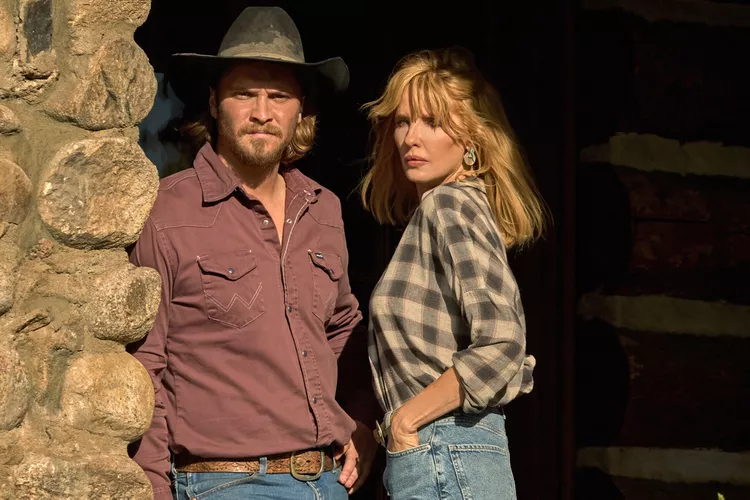
Kayce Dutton, played by Luke Grimes, occupies a unique position within the Dutton family because his life is connected to two different worlds. He is a Dutton by blood, but his marriage to Monica gives him a deep connection to the Native American community and a perspective that often places him in conflict with his father’s worldview.
Kayce understands John’s attachment to the ranch, but he also understands that the history of the land can be viewed from a completely different perspective. His story therefore becomes an important part of the series’ broader examination of identity and belonging.
Unlike John, Kayce appears less interested in preserving the past at any cost. He wants to build something of his own and create a life that is separate from the conflicts that have defined his family. However, escaping the Dutton name is far more difficult than he imagines.
Through Kayce, the series explores the complicated relationship between inheritance and personal freedom. Family history can provide a sense of belonging, but it can also become a burden that follows a person wherever they go.
The conflict between the Duttons and Thomas Rainwater, played by Gil Birmingham, is one of the most significant thematic elements of Yellowstone. At the centre of their conflict are questions about land, history and ownership.
The Duttons believe their family has earned the right to remain on the ranch because generations of Duttons have worked and protected the land. The Native American community, however, has a historical claim that predates the Dutton family’s presence.
The series does not reduce this conflict to a simple battle between good and evil. Instead, it presents competing ideas about ownership, history and justice, giving Yellowstone a political dimension that goes beyond its family drama.
The ranch becomes a symbol of a much larger American argument about development, Indigenous rights and the changing identity of the West. Developers see the land as an opportunity to make money, the Duttons see it as their history, the Native American community sees it as part of its ancestral identity, and politicians see it as a source of influence.
The same piece of land therefore carries completely different meanings depending on who is looking at it, and that is one of the reasons the conflict remains so compelling.
Cole Hauser’s Rip Wheeler is another major reason the series works. Rip is the Dutton family’s most dependable enforcer, but his character is more complicated than the role initially suggests.
His loyalty to John is almost absolute, and that loyalty makes him valuable to the Dutton family. At the same time, the series repeatedly raises uncomfortable questions about whether loyalty can remain admirable when it requires someone to commit terrible acts.
Rip is capable of extreme violence, yet his relationship with Beth reveals a much softer side of his personality. Their romance is one of the emotional anchors of the series because, unlike many of the relationships surrounding them, it is built on a strange form of honesty.
Rip understands Beth’s darkness and does not pretend that it does not exist. He does not love an idealised version of her; he accepts the person she actually is. In a world defined by betrayal, political manoeuvring and conditional loyalty, their relationship provides a surprisingly tender contrast.
One of the more underrated aspects of Yellowstone is its fashion. The series has had a noticeable influence on contemporary Western-inspired style because the clothing generally feels like an authentic extension of the characters rather than something designed merely to make them look like cowboys.
John Dutton’s wardrobe communicates authority without excessive decoration. His cowboy hat, denim, boots, jackets and practical shirts reinforce his identity as a rancher and patriarch who is comfortable in his environment and does not need to prove himself through his appearance.
Rip’s style is even more restrained. His darker, rugged clothing reflects his personality as someone who is practical, intimidating and uninterested in unnecessary attention. His clothes appear to belong naturally to the world he inhabits.
Kayce’s wardrobe reflects his position between traditional ranch life and the wider modern world, but Beth’s fashion is perhaps the most deliberate of them all.
Her clothes communicate confidence, wealth, sexuality and power. When she appears in expensive dresses, tailored outfits or high-end accessories, the contrast with the rugged ranch environment becomes part of the characterisation. She can walk into a room full of cowboys looking as though she has just arrived from a Manhattan boardroom, and that contrast reinforces her ability to operate in both worlds.
The series therefore uses fashion as another form of storytelling. Cowboy hats, boots, denim, leather and workwear establish the culture of the ranch, while tailored suits and luxury clothing represent corporate and political power. Beth exists somewhere between those worlds, and her wardrobe reflects that dual identity.
In Yellowstone, clothing is rarely just clothing. It often tells the audience who a character is before the character has even spoken.
The music is another important part of the series’ identity. Yellowstone understands that sound can create atmosphere just as effectively as cinematography, and its soundtrack frequently combines contemporary country and Americana music with the visual imagery of the American West.
This creates an interesting tension because the characters are living in a modern world while remaining deeply connected to an older tradition. They are surrounded by smartphones, private jets, political campaigns and billion-dollar development projects, yet they still ride horses, work cattle and live according to traditions that have existed for generations.
The soundtrack helps bridge those two realities and reinforces the show’s central tension between the past and the present.
There is no avoiding the violence in Yellowstone. It is one of the series’ defining characteristics, and it frequently presents a world in which disputes that might be settled through negotiation elsewhere can quickly escalate into physical confrontation or death.
This is both a strength and a weakness.
The violence creates tension and gives the series a genuine sense of danger, but the constant escalation can sometimes become excessive. There are moments when the show appears to prioritise shock over subtlety, and this contributes to the criticism that Yellowstone can occasionally become more melodramatic than realistic.
However, the violence also serves a thematic purpose because it demonstrates how power operates within the Dutton world. The family is surrounded by people who want something from them, and when institutions fail, characters turn to personal power. When politics fails, they use money. When money fails, they resort to intimidation, and when intimidation fails, violence becomes the final means of settling a dispute.
It is an extremely bleak worldview, but it is central to the series and to the way its characters understand survival.
For all its excesses, Yellowstone would not have become what it is without the strength of its cast. Kevin Costner gives the series its gravitas as John Dutton, while Kelly Reilly provides its emotional volatility through her portrayal of Beth. Wes Bentley gives Jamie an unsettling psychological complexity, Luke Grimes brings emotional grounding to Kayce, and Cole Hauser gives Rip a physical presence that is matched by his character’s unwavering loyalty.
Gil Birmingham brings complexity to the political and cultural conflict surrounding the ranch, while Kelsey Asbille’s portrayal of Monica provides another perspective on the consequences of being connected to the Dutton family.
The ensemble works because the characters rarely agree about what the family should become. Their internal disagreements prevent the series from becoming a simple story about heroes and villains. Almost everyone has a reason for what they do, almost everyone carries some form of emotional wound, and almost everyone believes that their actions are justified.
That moral ambiguity is one of the show’s most compelling qualities.
It would be dishonest to review Yellowstone without acknowledging its weaknesses. The series can be excessively dramatic, some storylines stretch credibility, and certain conflicts are revisited in ways that can make the narrative feel repetitive.
The dialogue can also occasionally sound more like a character delivering a memorable television quote than an ordinary person having a conversation. This is particularly noticeable when several characters begin speaking in the same highly stylised voice that has become associated with Taylor Sheridan’s writing.
The show’s increasing reliance on violence can also make its world feel more exaggerated than authentic. There are moments when the stakes become so extreme that the audience may begin to question whether the characters are living in contemporary Montana or inside an exaggerated Western fantasy.
The critical reception reflects this unevenness. Rotten Tomatoes currently lists the series at 83 per cent among critics and 76 per cent among audiences, although the individual seasons have received different responses. The first season holds a 58 per cent Tomatometer score, while later seasons, including the second season at 89 per cent and the third at 100 per cent, received more favourable critical responses on the platform.
Metacritic’s Season 1 score of 54 also reflects a mixed critical response, with reviewers divided over the show’s storytelling and execution.
However, the most interesting thing about Yellowstone is that its popularity has never depended entirely on critical approval. The series found an audience that connected deeply with its characters, its Western imagery and its themes of family, land and survival.
That audience response is important because Yellowstone may be excessive, but it is rarely indifferent. It wants the viewer to care about these people and the world they inhabit, and for the most part, it succeeds.
Ultimately, Yellowstone is about the danger of confusing legacy with love.
John Dutton believes he is protecting his family, but the methods he uses to protect the ranch often damage the family itself. Beth wants to protect her father, Jamie desperately wants his approval, Kayce wants to escape the conflicts that have defined his family, and Rip wants to protect the people he loves in the only way he knows how.
Everyone is fighting for family in one way or another, yet almost everyone is also contributing to the family’s destruction.
That contradiction is what makes Yellowstone so interesting.
The ranch is supposed to be the thing that unites the Duttons, but it repeatedly becomes the reason they cannot escape one another. The land is their inheritance, but it is also their burden. They spend their lives trying to preserve something that may ultimately be impossible to protect forever.
Perhaps the greatest tragedy of the Dutton family is that they become so focused on preserving their legacy that they sometimes fail to recognise the damage that pursuit is doing to the people who are supposed to inherit it.
Yellowstone is not a perfect television series. It can be melodramatic, excessively violent and occasionally unbelievable, but those flaws do not erase what the series does remarkably well.
It is beautifully photographed, exceptionally acted and thematically ambitious. Its greatest achievement is the way it transforms the American West into a battlefield for competing ideas about family, property, tradition, development and identity.
The cinematography makes Montana feel almost mythical, while the production design gives the Dutton Ranch the weight of a historical monument. The fashion turns cowboy clothing into a visual language of identity and power, while the music connects the modern world of the series to an older American tradition. Most importantly, the performances give the audience characters who are deeply flawed, morally complicated and almost impossible to forget.
The writing may sometimes become excessive, but it consistently returns to ideas that remain relevant far beyond the fictional borders of Montana. The series is interested in what happens when people become so determined to preserve their past that they lose sight of the future.
That is where Yellowstone finds its greatest strength.
It is not simply a story about cowboys, wealthy ranchers or a family fighting over land. It is a story about the human desire to hold on to the things that give our lives meaning, even when holding on begins to cost us everything else.
The Duttons are fighting to save their land, but as the series unfolds, it becomes increasingly difficult to separate their fight for the ranch from their fight to keep their family together. The two battles become so intertwined that one cannot be won without affecting the other.
And perhaps that is what makes Yellowstone more than a modern Western.
It is a story about a family that has built its entire identity around something it cannot bear to lose, only to discover that preserving that legacy may require sacrifices that no family should have to make.
The beauty of the Montana landscape makes the Duttons’ struggle understandable, while the darkness of their actions makes it impossible to see them as simple heroes. Somewhere between those two extremes is where the series finds its humanity.
For all its violence, politics, wealth and melodrama, Yellowstone ultimately tells a very familiar human story. It is about people who love one another but do not always know how to express that love, people who inherit burdens they never asked for and people who spend so much time trying to protect what they have that they sometimes fail to appreciate what they already possess.
That is the real tragedy of the Dutton family.
They may lose their land.
They may lose their power.
They may lose their legacy.
But the greatest loss is the possibility that, in their relentless effort to preserve the Dutton name, they may lose the very family that gives that name its meaning.
Also read: THE RETURN OF ARINZO REVIEW: Iyabo Ojo Delivers a Gripping Political Drama Worth the Hype